
Your Guide to Preventing Ice Dams and Winter Roof Leaks in Indiana
An Indiana winter can be beautiful, with snow blanketing our neighborhoods and creating a cozy atmosphere. But for homeowners in Jeffersonville and the surrounding areas, that picturesque snow can hide a serious threat to your home’s integrity: ice dams. These thick ridges of ice along the eaves of your roof can cause water to back up under your shingles, leading to leaks, damaged insulation, and costly repairs. At Jeffersonville Roofs, we believe in proactive care. This guide will walk you through what causes ice dams and how you can protect your home this winter.
What Causes an Ice Dam?
Understanding how an ice dam forms is the first step in preventing one. It’s a simple chain reaction that happens when there's uneven temperature across your roof's surface.
- Heat Escapes: Warm air from your living space rises into the attic. If your attic is poorly insulated, this heat warms the underside of your roof deck.
- Snow Melts: The snow on the upper, warmer parts of your roof melts and flows down toward the eaves.
- Water Refreezes: The eaves and gutters extend beyond the heated part of your house, so they remain at or below freezing temperature. When the meltwater reaches this cold edge, it refreezes, creating a small dam.
- The Dam Grows: As more snow melts and refreezes, this dam of ice grows larger. Water pools behind it, and with nowhere else to go, it can seep underneath your shingles and into your home.
This cycle can lead to significant water damage, not just to your roof but also to your ceilings, walls, and insulation. It's a common problem for homes with traditional shingle roofing, but with the right approach, it's entirely preventable.
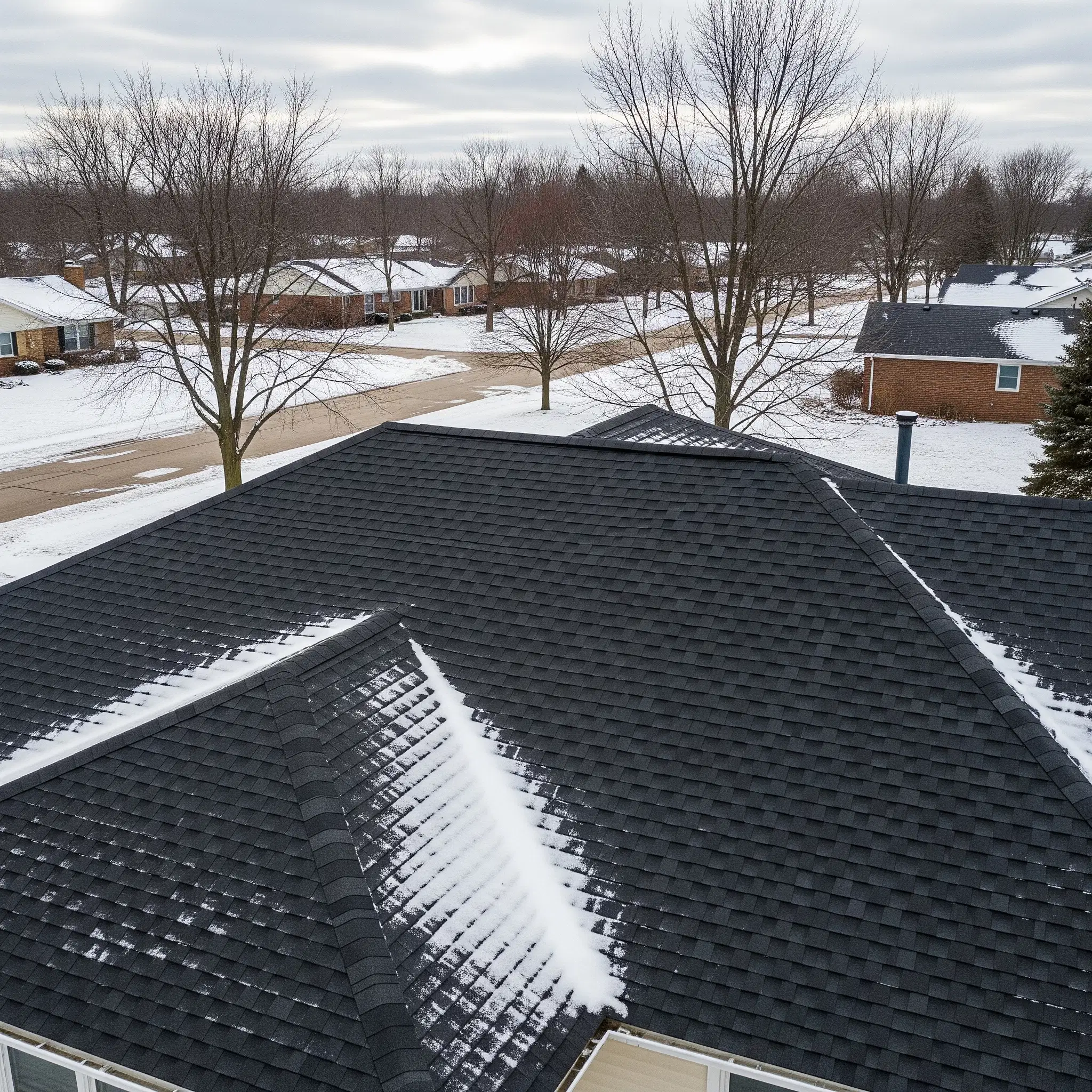
Key Strategies for Ice Dam Prevention
Preventing ice dams is all about controlling the temperature of your roof. The goal is to keep the entire roof surface as cold as the eaves, so snow melts evenly or not at all. Here are the most effective steps you can take.
1. Beef Up Your Attic Insulation This is the most critical step. Proper insulation on the attic floor prevents warm air from reaching the underside of your roof. It keeps the heat where it belongs—inside your home—which not only prevents ice dams but also lowers your energy bills. The U.S. Department of Energy provides recommendations for insulation levels based on climate zone, and ensuring your home meets or exceeds these standards is a wise investment.
2. Ensure Proper Attic Ventilation A well-ventilated attic allows cold outside air to circulate, keeping the roof deck cool. This is achieved through a balanced system of soffit vents (intake) near the eaves and ridge or gable vents (exhaust) near the peak. This constant airflow ensures that any small amount of heat that does escape is whisked away before it can melt snow.
3. Seal Air Leaks Before you even think about adding insulation, it's crucial to seal any air leaks between your living space and the attic. Gaps around light fixtures, plumbing vents, chimneys, and attic hatches can be major sources of heat loss. Using caulk or spray foam to seal these gaps is a simple but highly effective measure.
4. Keep Your Gutters Clean While clogged gutters don't cause ice dams, they can certainly make them worse. Gutters filled with leaves and debris can't drain melting snow properly, giving it a perfect place to freeze and start the damming process. A thorough gutter cleaning in late fall is essential.
What to Do If You Already See an Ice Dam
If you already have a significant ice buildup, it's important to act carefully. The first sign of trouble might be large icicles hanging from your gutters or, more seriously, water stains appearing on your interior ceilings. Here’s what to do—and what not to do.
- Don't Get on the Roof: Trying to chip away ice with a shovel or hammer is incredibly dangerous for both you and your roof. You can easily damage your shingles, leading to an even bigger roof leak repair job, or worse, slip and fall.
- Don't Use Salt: Rock salt or calcium chloride can melt the ice, but it can also cause serious damage to your shingles, gutters, and the plants below.
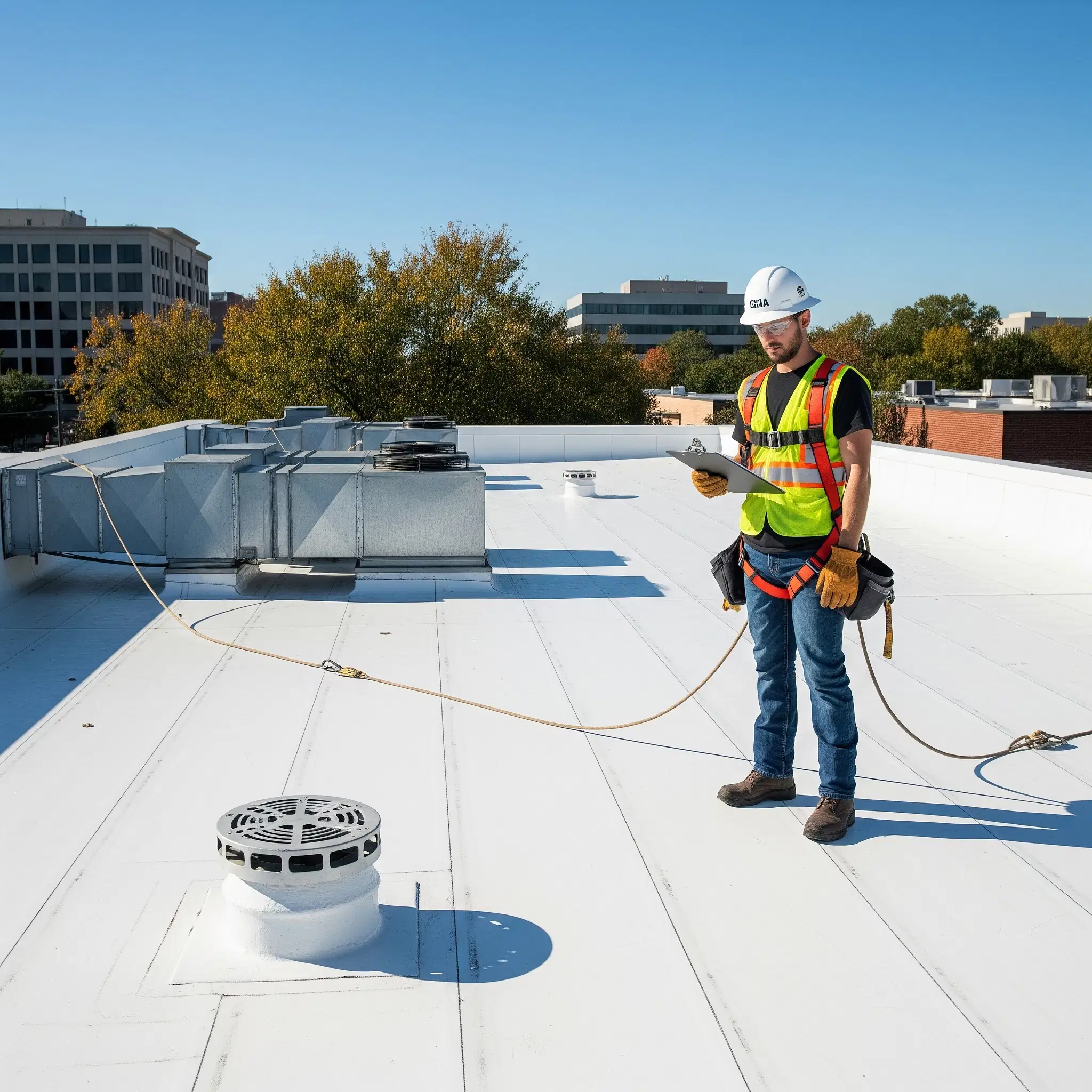
- Do Call a Professional: The safest and most effective way to deal with an existing ice dam is to call a roofing expert. We have specialized equipment, like low-pressure steamers, to safely remove the ice without damaging your roof. We can then assess any damage and identify the underlying cause.
A professional roof inspection can determine if the issue is a one-time event or a symptom of a larger problem with your home's insulation and ventilation system. Addressing the root cause is the only way to ensure it doesn't happen again next winter.
Protect Your Home This Winter with Jeffersonville Roofs
Winter in Indiana doesn't have to mean worrying about your roof. By taking proactive steps like improving insulation, ensuring proper ventilation, and keeping gutters clean, you can prevent ice dams before they ever start. A well-maintained roof is the first line of defense for your entire home.
If you're concerned about your home's vulnerability to ice dams or have noticed signs of a winter leak, don't wait for the problem to get worse. At Jeffersonville Roofs, we offer the kind of reliable service and Hoosier hospitality you can count on. We specialize in comprehensive residential roofing services, from inspections and repairs to full replacements. Contact us today to schedule a professional roof inspection and ensure your home is safe, dry, and secure all winter long.