
Your Guide to Maintaining an Aging Asphalt Shingle Roof
Your asphalt shingle roof has been a silent guardian, protecting your home from scorching summer sun, heavy rains, and Indiana's unpredictable winters. But as the years pass, even the most durable roof begins to show its age. For many homeowners in the Jeffersonville area, the question isn't if their roof will need attention, but when. Waiting for a leak to appear is a costly mistake. Proactive maintenance is the key to extending the life of your roof, preventing expensive damage, and ensuring your family stays safe and dry.
This guide will walk you through the essential steps for caring for your aging asphalt shingle roof. We'll cover how to spot the early warning signs of wear, what simple maintenance you can perform safely, and when it's time to call in a professional. Understanding these key points can save you thousands in the long run and give you valuable peace of mind.
Recognizing the Telltale Signs of Wear
Before you can maintain your roof, you need to know what to look for. An aging roof will send clear signals that it needs attention. Catching these issues early can often mean the difference between a simple repair and a full replacement. Here are the most common signs of an aging asphalt shingle roof:
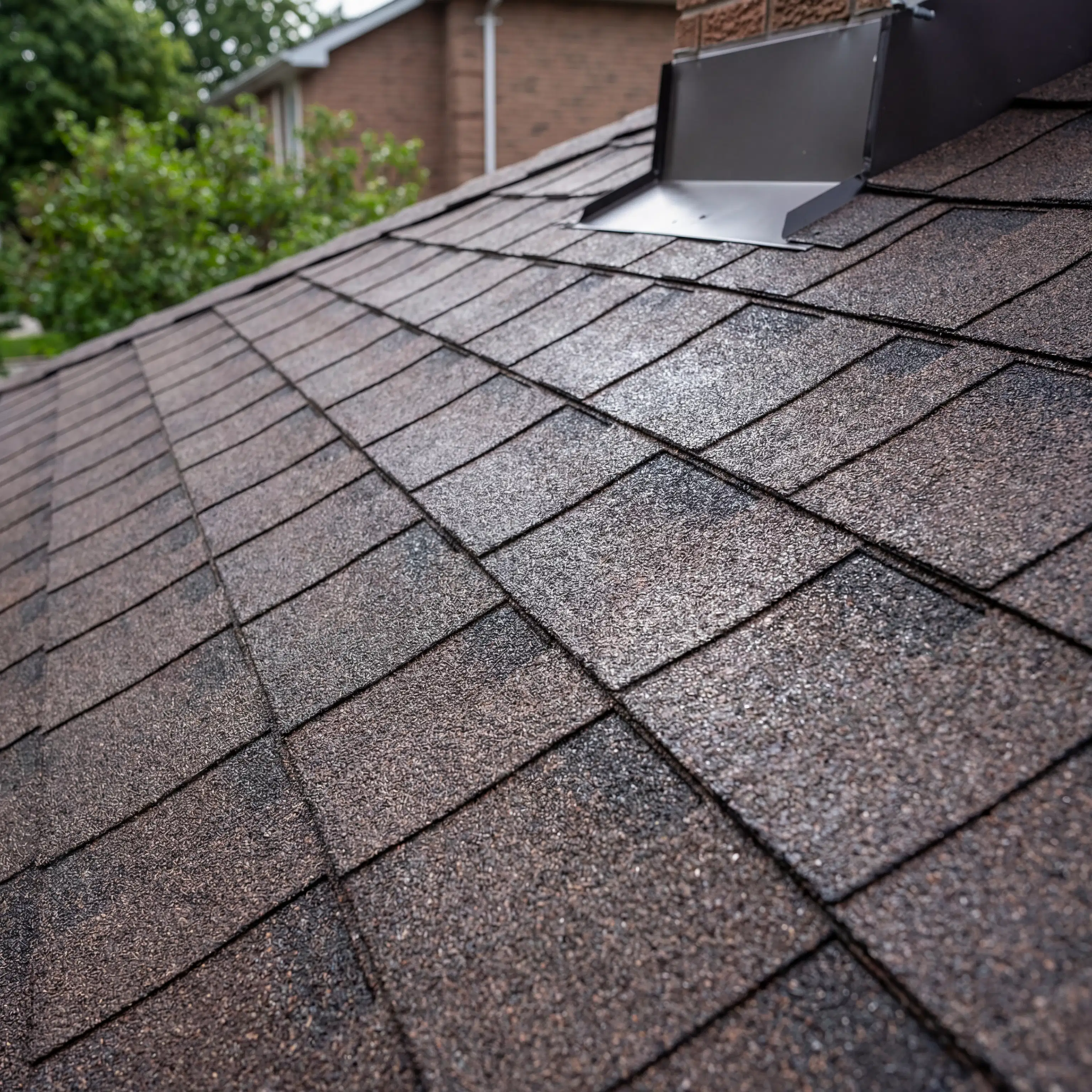
- Curling or Buckling Shingles: Look for shingles whose edges are turning upward (curling) or that are starting to bubble and lift in the middle (buckling). This is often a sign that the shingles are past their lifespan and may be losing their ability to shed water effectively.
- Significant Granule Loss: The rough, sandpaper-like granules on your shingles are their primary defense against UV rays and weather. As a roof ages, these granules flake off. You might notice them collecting in your gutters or at the base of your downspouts. When you see dark, 'bald' patches on your roof, it's a clear indication that the shingles are weakening.
- Cracked or Brittle Shingles: The constant cycle of heating up and cooling down, along with wind and hail damage, can cause shingles to become brittle and crack over time. A few cracked shingles might not be an emergency, but widespread cracking is a serious concern.
- Moss, Algae, or Dark Streaks: While the dark streaks caused by algae (Gloeocapsa magma) are often a cosmetic issue, thick moss growth is more problematic. Moss can trap moisture against the shingle surface, leading to faster deterioration, and in the winter, it can contribute to the formation of destructive ice dams.
Proactive Steps for Extending Your Roof's Life
While some jobs are best left to the pros, there are a few things homeowners can do to help their roof last longer. The most important rule is safety first; never get on a steep or high roof yourself. However, these simple, ground-level tasks can make a big impact:
-
Keep Your Gutters Clean: This is arguably the most critical maintenance task. Clogged gutters cause water to back up against the edge of your roof. In the summer, this can seep under shingles and rot the underlying wood. In the winter, it's the primary cause of ice dams, which can force water into your attic and cause major interior damage.
-
Trim Overhanging Trees: Low-hanging or dead branches pose a significant threat to your roof, especially during one of our classic pop-up storms. Keep branches trimmed back several feet from your roofline to prevent them from scraping away granules or falling and puncturing the shingles.
-
Perform Regular Visual Checks: From the safety of the ground, use binoculars to scan your roof for the warning signs mentioned above. The best time to do this is after a major storm with high winds or hail. If you see anything concerning, like missing shingles or significant debris, it's time to call for a professional roof inspection.
When to Call for a Professional Roof Inspection and Repair
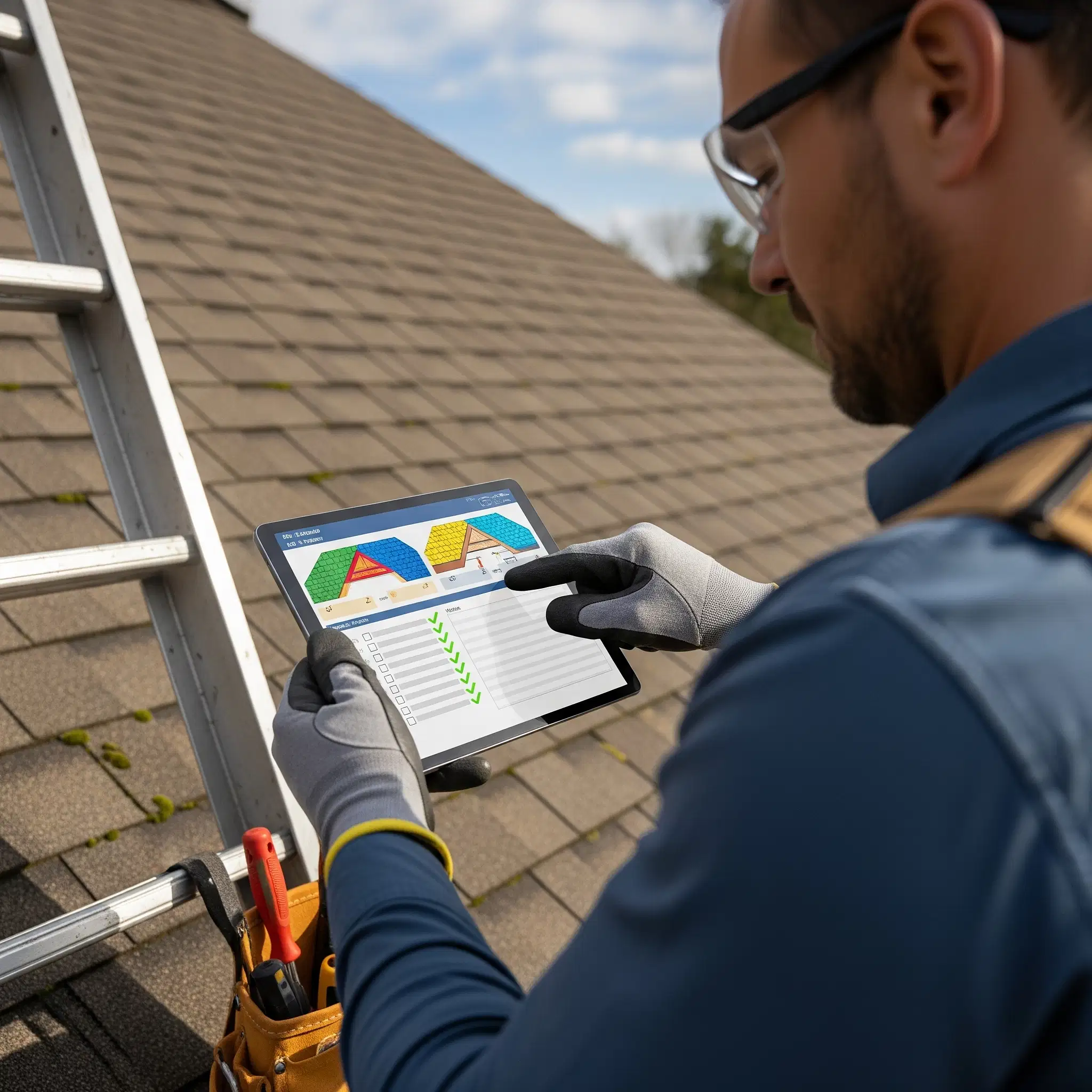
Visual checks from the ground are helpful, but they can't replace the trained eye of an experienced roofer. A professional has the equipment and expertise to safely assess your entire roofing system, identifying subtle issues that could turn into major problems. During a professional inspection, a roofer will check not only the shingles but also critical components like:
- Flashing: The metal strips around chimneys, vents, and skylights that prevent water intrusion.
- Pipe Boots: The rubber seals around vent pipes that can crack and degrade over time.
- The Attic: An inspection of the underside of your roof deck can reveal hidden leaks, poor ventilation, or moisture issues.
If an issue is found, a targeted roof repair can often solve the problem without the cost of a full replacement. Addressing a few damaged shingles, re-sealing flashing, or replacing a cracked pipe boot are cost-effective ways to prolong the life of your roof. Ignoring these small problems is what ultimately leads to widespread damage and the need for a complete overhaul.
Protect Your Home with Trusted Expertise
Taking care of an aging roof is about protecting your most significant investment: your home. By learning to recognize the signs of wear, performing simple maintenance, and partnering with a trusted professional, you can ensure your roof continues to do its job for years to come. Don't wait for a drip in the ceiling to tell you there's a problem.
If you've noticed any of the warning signs on your roof, or if it's simply been a while since your last professional check-up, our team is here to help. At Jeffersonville Roofs, we provide honest assessments and high-quality workmanship for all our residential roofing services. Contact us today to schedule a comprehensive roof inspection and get the peace of mind you deserve.