
The Unseen Threat: How Proper Roof Ventilation Prevents Costly Attic Mold
As a homeowner, you worry about the visible threats to your property—a loose shingle, a clogged gutter, or peeling paint. But what about the danger you can't see? Hidden away in your attic, a silent problem could be developing: mold. Here in the Jeffersonville area, with our humid summers and cold, damp winters, attics can become the perfect breeding ground for mold and mildew, which can compromise your home's structural integrity and your family's health. The surprising culprit is often not a leak, but a lack of proper roof ventilation.
A well-ventilated roof is the key to a healthy attic and a long-lasting home. It’s a system designed to breathe, allowing moisture and stale air to escape while promoting energy efficiency. In this guide, we'll explore the critical link between your roof's ventilation and preventing attic mold, so you can protect your biggest investment from the inside out.
The Vicious Cycle: How Moisture Gets Trapped in Your Attic
Think of your attic as the lungs of your home. For it to function correctly, it needs to inhale fresh air and exhale stale, moist air. When this process fails, moisture from everyday activities like showering, cooking, and laundry rises and gets trapped. This is where the trouble begins, and it changes with the seasons.
In the Summer: The Indiana sun beats down on your roof, turning your attic into an oven. Without proper airflow, this superheated, humid air has nowhere to go. It creates a damp, stagnant environment where mold thrives. This intense heat can also bake your shingles from the underside, drastically shortening their lifespan and leading to premature and expensive roof replacement.
In the Winter: The dynamic flips, but the problem remains. The warm, moist air from your living space rises into the cold attic. When it hits the frigid underside of your roof deck, it condenses—turning from vapor to liquid. This condensation drips onto your insulation, soaks the wooden rafters, and creates a persistent dampness. This not only invites mold but can also lead to wood rot and the formation of destructive ice dams on your roof's edge, a common issue for Hoosier homeowners.
Warning Signs of Poor Attic Ventilation
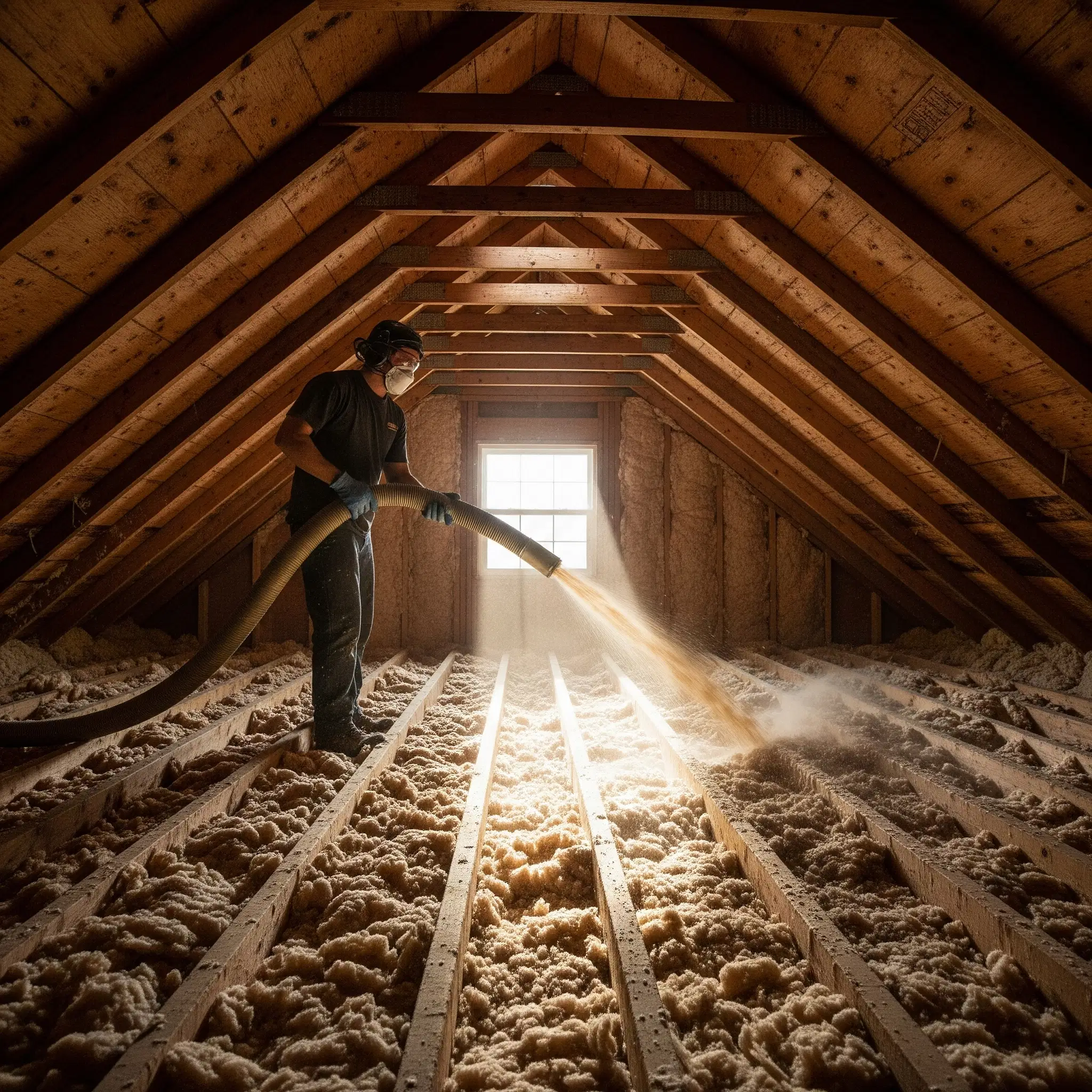
How can you tell if your attic is struggling to breathe? Fortunately, there are several red flags you can look for. Catching these signs early can save you from extensive damage and costly repairs. If you notice any of the following, it's time to consider a professional roof inspection.
- A Musty or Damp Smell: If your upper floors or closets have a persistent musty odor, it could be originating from mold or mildew growth in the attic.
- Visible Frost or Moisture: In the winter, check your attic on a cold day. Frost on the underside of the roof sheathing or visible condensation on nails is a clear sign that warm, moist air is trapped.
- Dark Stains or Mold: Black or gray stains on the wood surfaces in your attic are a direct indicator of mold growth due to moisture problems.
- Recurring Ice Dams: While a small amount of icicle formation is normal, thick ridges of ice along your eaves are a major symptom of poor ventilation and insulation.
- Warped or Sagging Roof Deck: When viewed from inside the attic, the roof decking should be straight. Any sagging or warping suggests long-term moisture damage has weakened the wood.
- Excessively Hot Upper Floors: If the second story of your home is always significantly hotter than the first in the summer, it's a sign that your attic is trapping heat instead of releasing it.
The Solution: A Balanced Ventilation System
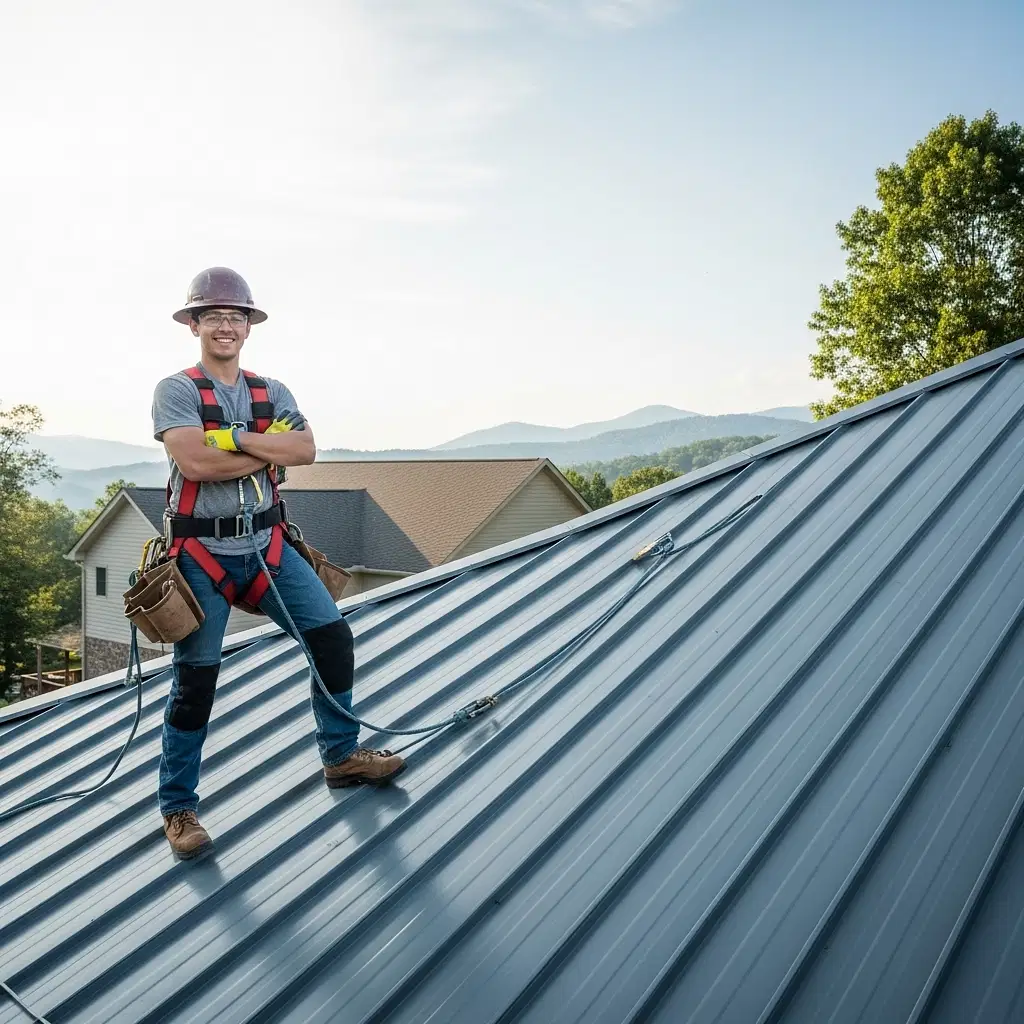
Preventing attic moisture isn't about just adding a vent or two; it's about creating a balanced system that promotes continuous airflow. A properly designed system works on a simple principle: cool, dry air in, and hot, moist air out. This is achieved with two key components:
- Intake Vents: Typically located in the soffits (the underside of your roof's overhang), these vents allow cool, fresh air to be drawn into the attic from outside.
- Exhaust Vents: Placed at or near the peak of the roof, these vents allow the hot, humid air that naturally rises to escape. Common types include ridge vents, box vents, or wind turbines.
This combination creates a natural convection current, often called the "stack effect." The cooler, denser air entering through the soffits pushes the warmer, lighter air up and out through the exhaust vents. This constant, gentle breeze keeps your attic dry year-round, protecting your home's structure and preventing the conditions mold needs to grow. A professional roof installation will always include a carefully calculated ventilation plan tailored to your home's specific design.
Protect Your Home with a Healthy Roof System
Proper roof ventilation is one of the most important and often overlooked aspects of a healthy home. It's a critical component that protects your roof, improves energy efficiency, and prevents the serious health and structural risks associated with attic mold. Ignoring the signs of poor ventilation can lead to thousands of dollars in damage, from replacing insulation and rotted wood to extensive mold remediation.
If you've noticed any of the warning signs or are concerned about the health of your attic, don't wait for the problem to get worse. The team at Jeffersonville Roofs is here to help. We provide comprehensive residential roofing services, including thorough inspections and expert roof repair to ensure your home is protected. Contact us today to schedule a professional ventilation assessment and breathe easier knowing your Jeffersonville home is safe and sound.