
Lowering Energy Bills with Insulated Siding: A Smart Upgrade for Your Home
If you have lived through a few years of unpredictable Hoosier weather, you know exactly how extreme our seasons can be. From the blistering humidity of mid-July to the deep, freezing cold of late January, keeping your home comfortable is a year-round battle. For many homeowners in Johnson County, that battle often shows up in the mailbox every month in the form of sky-high energy bills.
While most people immediately look to their HVAC systems, windows, or attic insulation when utility costs rise, one major culprit is often overlooked: your home's exterior siding. Traditional siding protects your home from the elements, but it does little to stop heat from escaping in the winter or creeping in during the summer. This is where upgrading your exterior can make a massive difference.
At Jeffersonville Roofs, we spend a lot of time talking with local families and retirees about how to protect their homes and their budgets. One of the most effective solutions we recommend for long-term savings and immediate comfort is upgrading to insulated siding. Let's break down exactly how this exterior upgrade works, how it compares to traditional options, and why it might be the smartest investment you can make for your property this year.
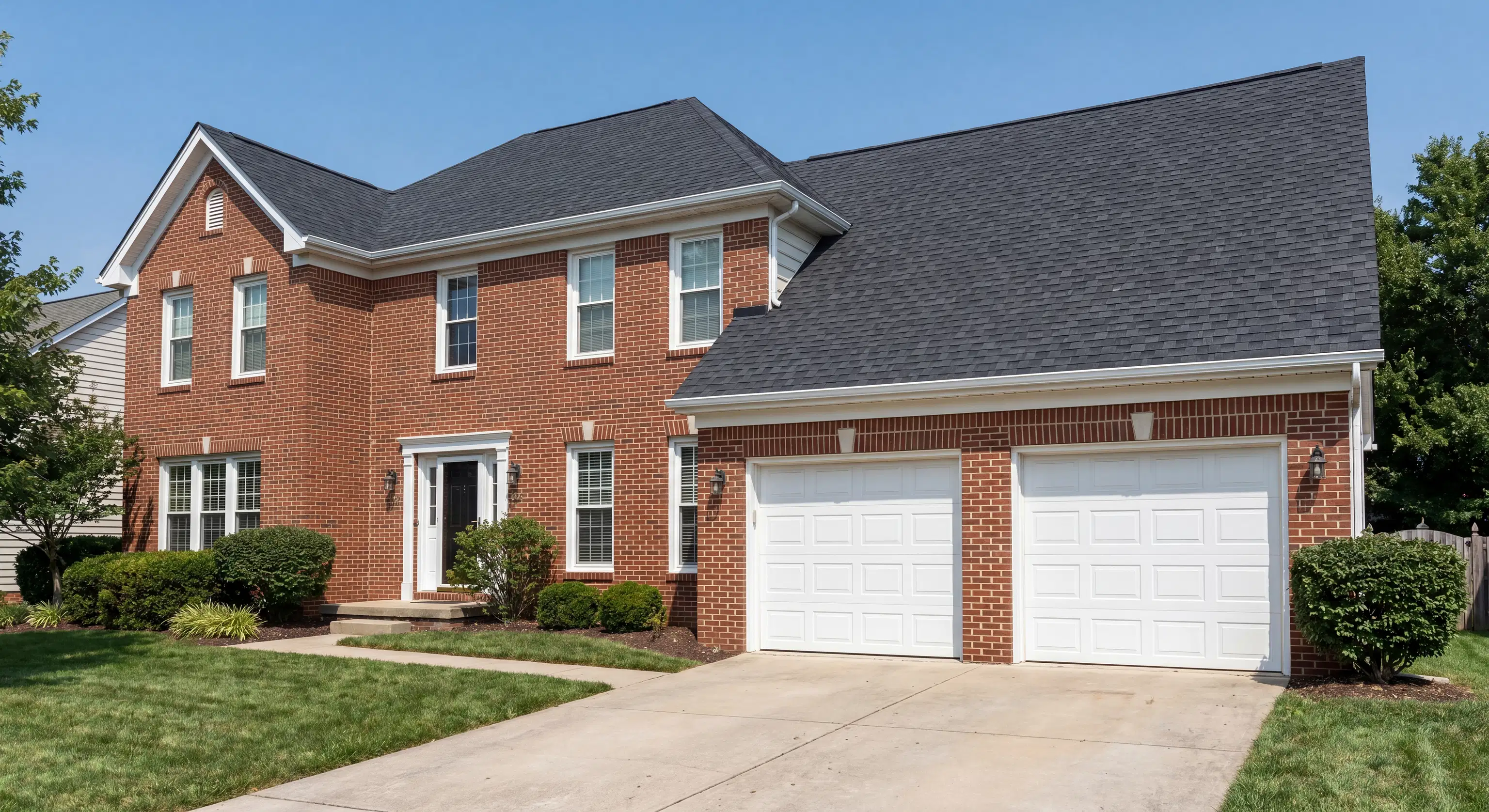
How Insulated Siding Improves Thermal Protection
To understand how insulated siding saves you money, it helps to understand how your home loses energy in the first place. Most homes are built with wooden framing studs. While the spaces between these studs are filled with insulation, the wood studs themselves are not insulated. Heat naturally travels through these solid wooden pathways in a process known as thermal bridging. In the winter, the heat you are paying to generate simply travels through the wood studs and escapes outside.
Standard siding materials do not stop this process. However, when you opt for insulated siding systems, you are essentially wrapping your entire home in a continuous thermal blanket. This thick layer of rigid foam backing sits completely flush against the exterior of your house, covering the wooden studs and breaking the thermal bridge.
When we look at the energy savings of insulated siding vs standard vinyl, the difference is substantial. By keeping the conditioned air inside your home where it belongs, your heating and cooling systems do not have to work nearly as hard. This reduces the daily wear and tear on your HVAC unit and directly translates to lower monthly energy bills. Furthermore, the solid foam backing provides impressive impact resistance, meaning it holds up incredibly well against the hail and debris that often accompany severe spring pop-ups.
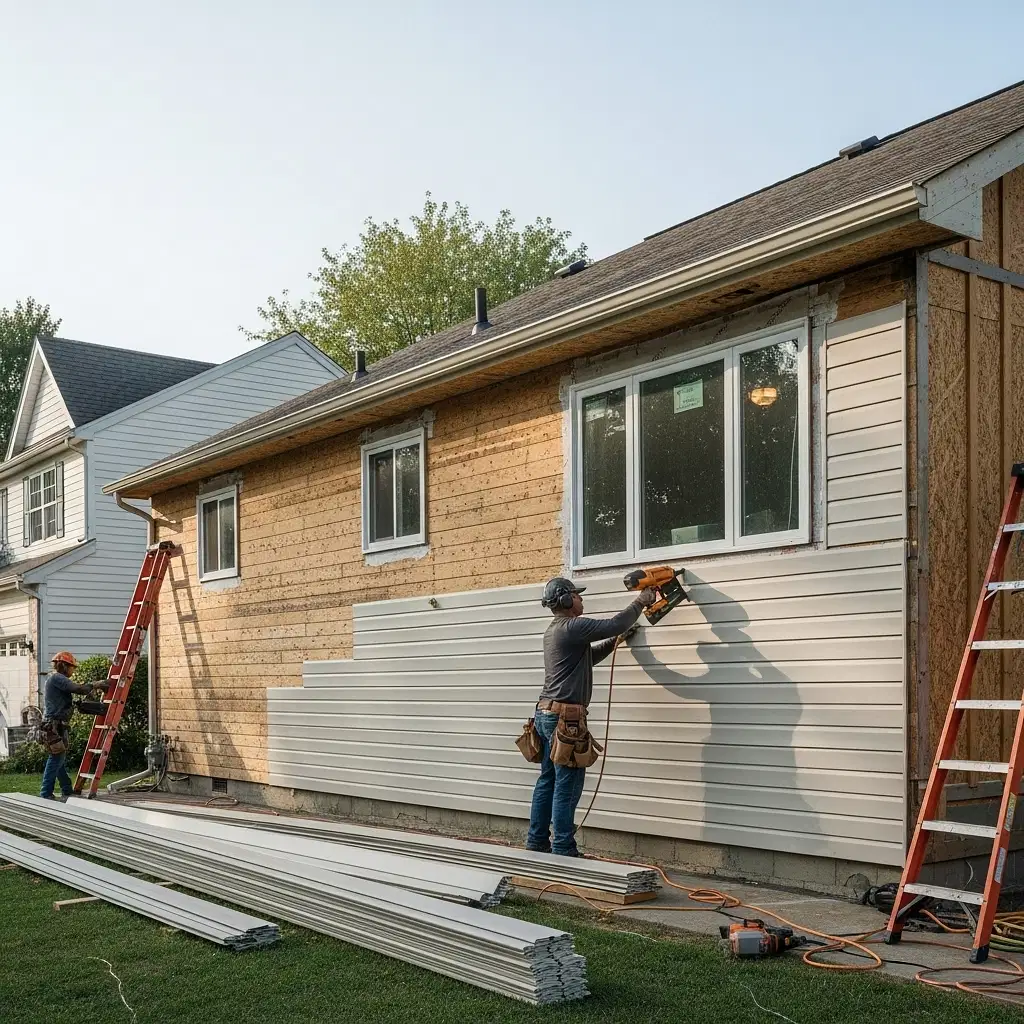
Signs Your House Siding Needs an Energy Efficient Upgrade
It can sometimes be difficult to tell if your current exterior is failing or simply aging. However, there are a few distinct signs house siding needs an energy efficient upgrade. If you notice any of these red flags, it might be time to consider a replacement:
First, pay attention to drafts near your exterior walls. If certain rooms in your home always feel noticeably colder in the winter or warmer in the summer despite your HVAC running, your current siding and wall insulation are likely failing to provide adequate thermal protection.
Second, visually inspect your current siding. Are there cracks, significant fading, or areas where the panels have become loose or warped? Traditional vinyl siding can become brittle over time, especially after enduring years of harsh temperature fluctuations. Once the physical integrity of the siding is compromised, moisture and drafts can easily penetrate your home's envelope.
Finally, take a close look at your energy bills over the past few years. If your usage habits haven't changed but your heating and cooling costs are steadily climbing, your home is likely losing its energy efficiency.
We know that home renovations are a major investment, and volatile material costs can make budget planning stressful. That is why we believe in transparent, upfront pricing. Upgrading your siding is not just a cosmetic fix; it is a financial strategy that pays you back month after month in utility savings, while also boosting your property value and curb appeal.
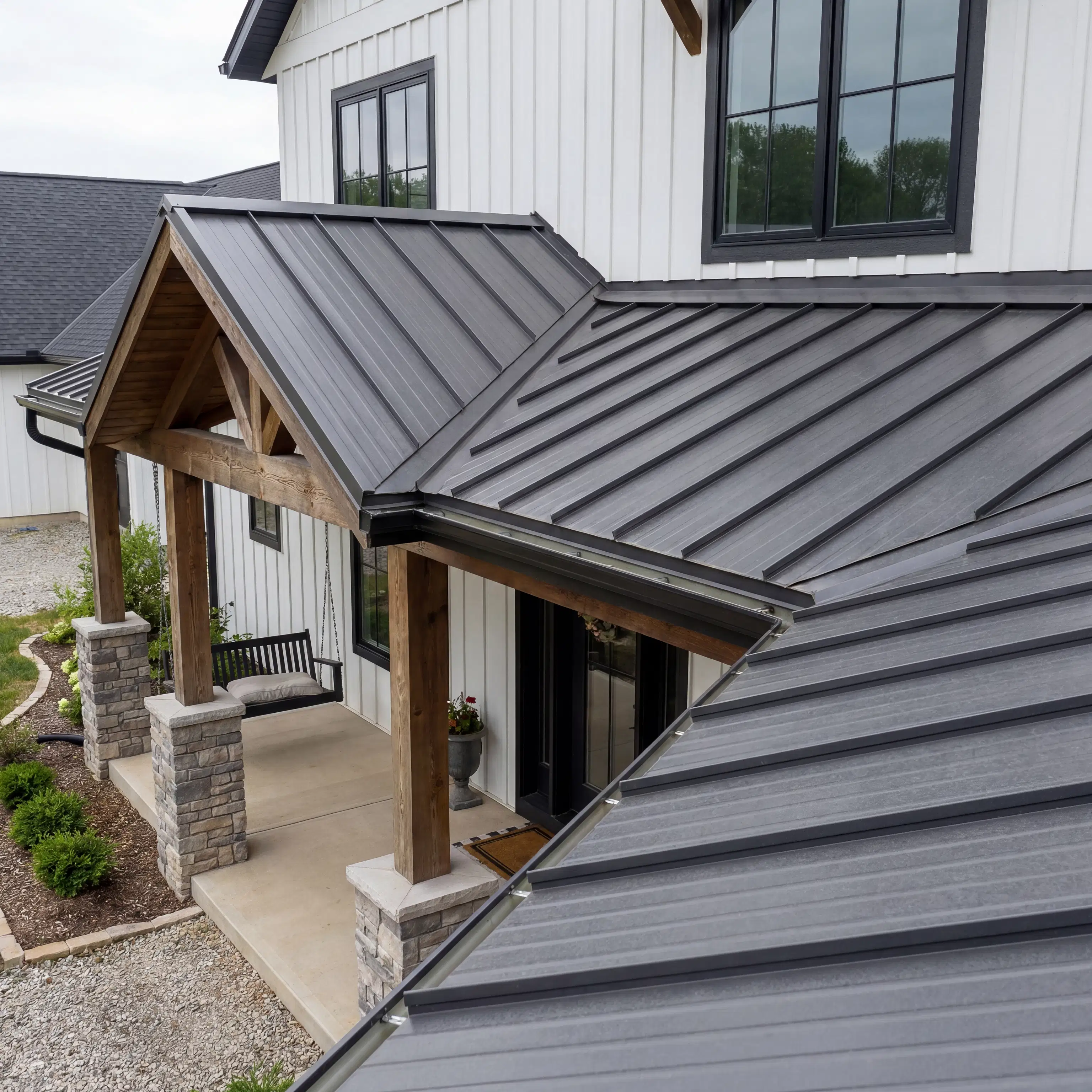
Making the Right Choice for Your Home
Choosing the right materials is only half the battle. The true performance of any exterior product relies heavily on the quality of the craftsmanship. Even the most advanced, highly rated insulated panels will fail to lower your energy bills if they are installed incorrectly. Proper siding installation requires a deep understanding of local building codes, moisture management, and precise fitting to ensure a perfect, airtight seal around windows, doors, and rooflines.
At Jeffersonville Roofs, we are committed to providing homeowners across The Southside with honest advice, premium materials, and expert craftsmanship they can rely on for decades. We understand the unique challenges our local climate presents, and we don't believe in high-pressure sales tactics—just reliable, community-focused service.
If you are tired of overpaying on your energy bills and want to improve the comfort, durability, and beauty of your home, we are here to help. Reach out to our team today to schedule a free, detailed estimate, and let's explore how an exterior upgrade can transform your home.