
Don't Let the Weather Get the Upper Hand: A Homeowner's Guide to Preparing Your Roof for Indiana's Storm Season
Here in Indiana, we know the weather can turn on a dime. One minute it’s sunny, and the next, we’re facing high winds, heavy rain, and hail. This unpredictable weather, especially during the spring and summer storm season, puts one of your home's most critical components to the test: your roof. A strong, well-maintained roof is your primary defense against the elements, protecting your family and your investment. For homeowners in the Jeffersonville area, being proactive is the key to preventing costly damage. This guide will walk you through the essential steps for preparing your roof, what to look for after a storm, and how to navigate the repair process with confidence.
Your Pre-Storm Checklist: A First Line of Defense
Preventative maintenance is always more manageable and affordable than emergency repairs. Before the storm clouds gather, taking a few simple steps can make a significant difference in how well your roof holds up. Think of it as an annual check-up for your home's protective shield.
1. Conduct a Visual Inspection (From the Ground): You don't need to climb a ladder to spot potential trouble. Walk around your property and look up. Are there any shingles that are cracked, curling at the edges, or missing entirely? Do you see any dark streaks, which could indicate algae growth, or areas where granules have worn away? Pay close attention to the flashing around chimneys, vents, and skylights, as these are common areas for leaks to start.
2. Clean Your Gutters and Downspouts: This is one of the most important tasks. Gutters clogged with leaves and debris can't direct water away from your home. Instead, water backs up under the edge of your roof, potentially causing rot, water damage, and even foundation issues. In the winter, this same issue can lead to destructive ice dams.
3. Trim Overhanging Branches: Large tree limbs hanging over your roof are a significant threat during high winds. A falling branch can cause serious structural damage. Proactively trimming them back is a simple way to eliminate this risk and improve your home's overall curb appeal.
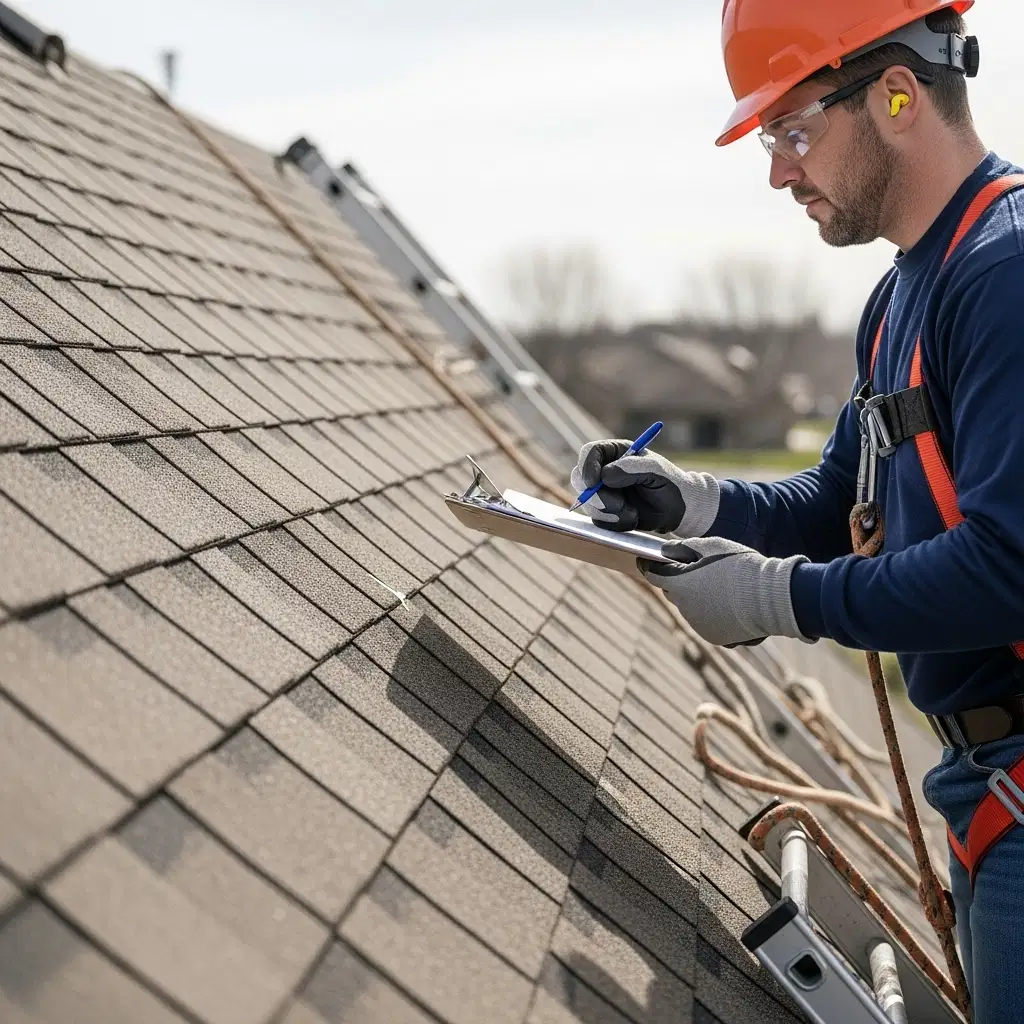
4. Schedule a Professional Inspection: While a visual check is a great start, a professional can spot issues you might miss. We recommend a professional roof inspection at least once a year or after any severe weather event. An expert can safely assess the condition of your shingles, check for hidden damage, and ensure your roof is ready for whatever the season brings.
Recognizing the Signs of Roof Weakness
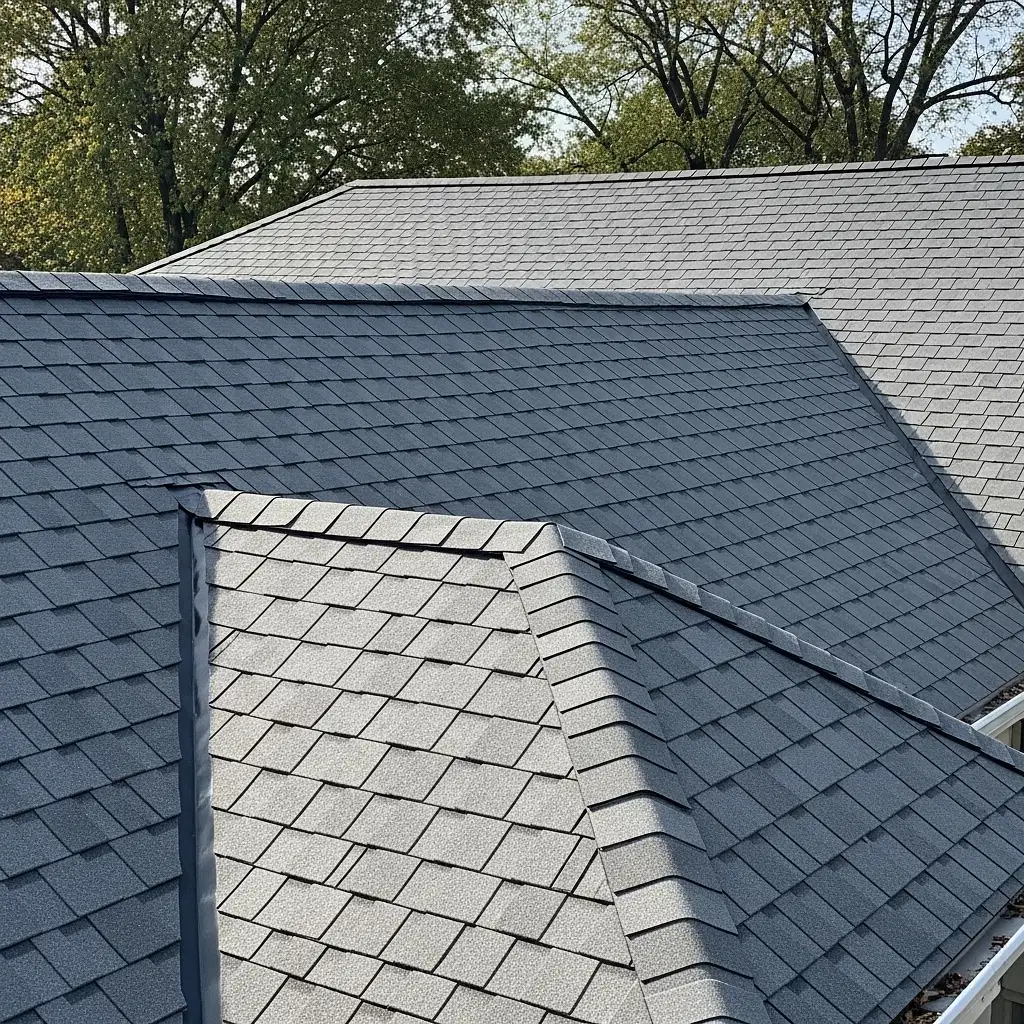
Not all roof damage is obvious from a distance. Understanding the subtle signs of wear and tear can help you decide when a simple repair is needed versus a full replacement. This is especially true for common issues found on asphalt shingle roofing.
- Hail Damage: After a hailstorm, look for dents or “bruises” on your shingles. Hail impacts can knock off the protective granules, exposing the underlying asphalt to UV rays and causing it to deteriorate much faster. This type of damage is often difficult to see from the ground and is a key reason for a professional assessment.
- Wind Damage: Strong winds can lift shingles, breaking the sealant that holds them down. Even if the shingle lays back flat, the broken seal creates a pathway for wind-driven rain to get underneath. You might see shingles that are creased, lifted, or have been torn off completely.
- Aging and Granule Loss: As a roof ages, the granules on the shingles naturally wear away. You might notice an accumulation of these sand-like particles in your gutters. While some loss is normal, excessive loss indicates your roof is nearing the end of its lifespan and is much more vulnerable to storm damage.
A professional inspection can provide a clear picture of your roof's health. Using modern technology like drones, a trained roofer can safely and accurately identify these vulnerabilities without ever having to set foot on a potentially compromised roof, ensuring a thorough and precise assessment.
What to Do After the Storm Passes
Once the storm has subsided, your priority is to safely assess the situation. A calm, methodical approach will help you document any issues and get the help you need without falling prey to common post-storm pitfalls.
First and foremost, stay safe. Never climb onto a wet or potentially damaged roof yourself. Instead, perform another visual inspection from the ground, looking for any of the issues mentioned above. Take photos of any visible damage you find.
Next, check inside your home. Look in your attic for signs of water intrusion, wet insulation, or daylight coming through the roof deck. Check the ceilings on your top floor for any new water stains or discoloration.
If you suspect damage, your next call should be to a trusted, local roofing contractor. Be wary of “storm chasers”—out-of-town companies that sweep into an area after a storm, perform quick, often subpar work, and are gone before any warranty issues arise. A local company has a reputation to uphold and will be there for you long-term. This is where reliability and trustworthiness matter most.
Navigating the Insurance Claim Process
Dealing with insurance claims can feel overwhelming, but you don't have to do it alone. A reputable roofer can be your most valuable asset in this process. They can provide the detailed documentation and expert assessment your insurance company needs to process your claim for storm damage repair accurately.
The process generally follows these steps:
- Professional Damage Assessment: Your roofer will conduct a thorough inspection and document all storm-related damage with photos and a detailed report.
- File Your Claim: Contact your insurance provider to start the claims process. Provide them with the date of the storm and the information from your roofer.
- Meet the Adjuster: Your insurance company will send an adjuster to assess the damage. It's highly recommended to have your roofer present during this meeting to ensure all damage is identified and properly accounted for.
- Review and Repair: Once the claim is approved, you'll receive a scope of work from your insurer. Your contractor can review it to ensure it covers all necessary repairs and then get to work restoring your roof.
Having an experienced partner to guide you provides peace of mind and helps ensure your home is repaired correctly with quality materials.
Protect Your Home with Confidence
Your roof is too important to leave to chance. Proactive inspections, knowing the signs of damage, and having a trusted local partner on your side are the keys to weathering any Indiana storm. Don't wait for a leak to tell you there's a problem.
If you have concerns about your roof's condition or need a post-storm assessment in the Jeffersonville area, contact Jeffersonville Roofs today. We offer comprehensive roof inspections, expert repairs for storm and wind damage, and the kind of Hoosier hospitality you can count on. Get in touch with us and let us help you protect your home.