
Beyond the Dents: A Homeowner's Guide to Spotting Subtle Hail Damage
Here in Indiana, we know the weather can turn on a dime. One minute it’s sunny, and the next, a pop-up storm is rolling through, sometimes bringing hail with it. After the storm passes and the sun comes out, you might glance at your roof and see no obvious signs of trouble. But the most costly hail damage isn't always the kind you can see from the street. Small, subtle impacts on your asphalt shingles can compromise your roof's integrity, leading to serious issues down the road.
Many homeowners in the Jeffersonville area believe that if they don't see large dents or cracked shingles, their roof is fine. Unfortunately, this often isn't the case. Hidden damage can quietly shorten your roof's lifespan and lead to leaks long after the storm is forgotten. This guide will help you understand the subtle signs of hail damage and know when it's time to call in a professional to protect your home.
The Telltale Signs You Might Be Missing
When hailstones strike an asphalt shingle, they can cause damage that isn't immediately obvious. It takes a trained eye to spot these issues, but knowing what to look for is the first step. Forget about large, dramatic holes; the real culprits are often much more discreet.
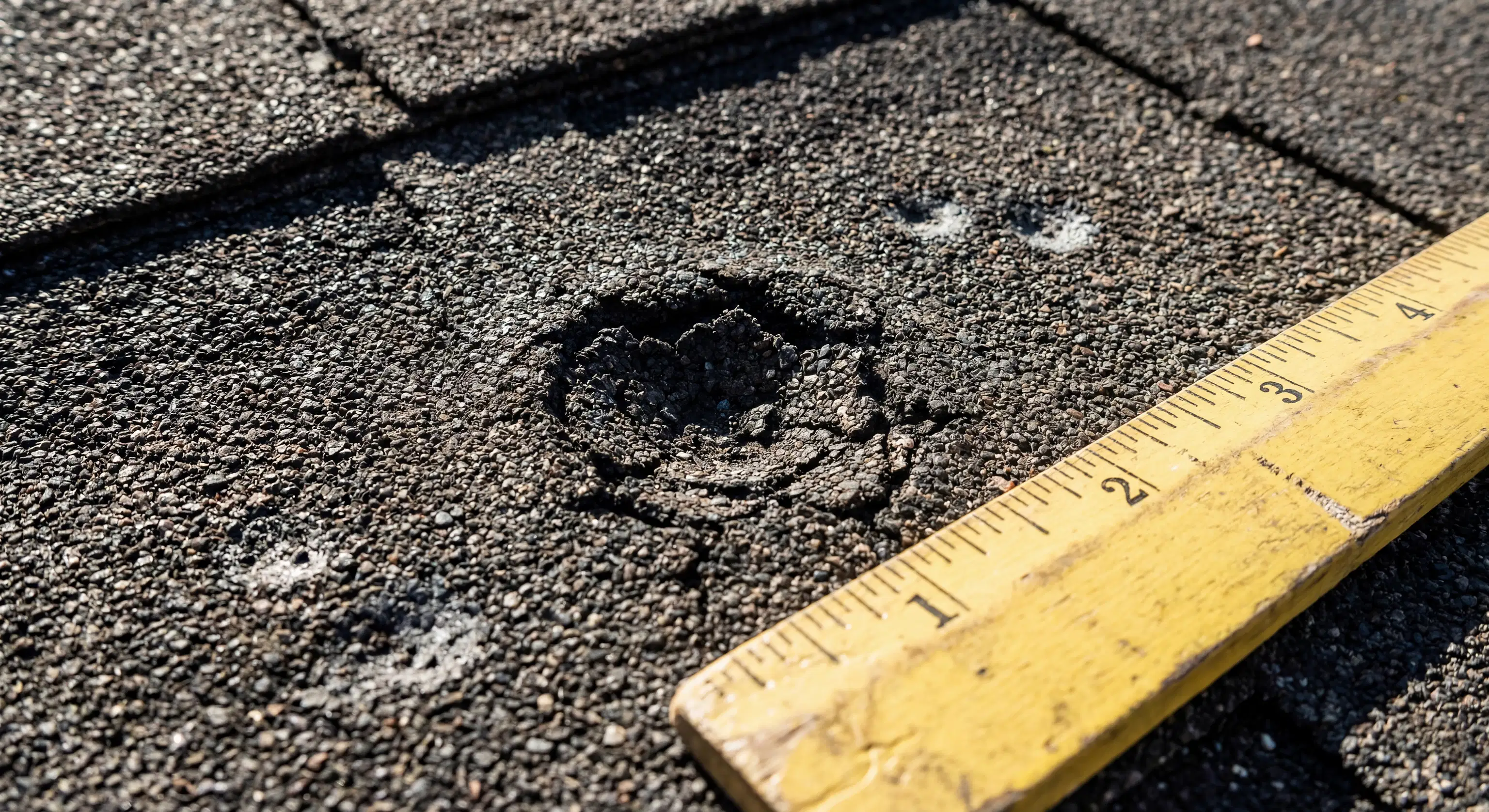
1. Granule Loss: The rough, sandpaper-like surface on your shingles is made of ceramic-coated granules. These granules are your roof's first line of defense against the sun's UV rays and harsh weather. A significant hail impact can knock these granules loose, exposing the underlying asphalt mat. Look for spots that appear black, shiny, or smooth, almost like a bald spot on the shingle. You might also notice an unusual amount of these black granules collecting in your gutters or at the bottom of your downspouts. This loss of protection can cause the shingle to become brittle and deteriorate much faster.
2. Shingle Bruising: This is one of the most deceptive forms of hail damage. A hailstone doesn't have to puncture a shingle to damage it. The force of the impact can create a "bruise," weakening the shingle from within. From the surface, it might not look like much, but if you were to press on the spot, it would feel soft and spongy, like a bruise on a piece of fruit. This indicates that the fiberglass matting inside the shingle has been fractured. Over time, with exposure to sun and rain, this bruised area is much more likely to crack and cause a leak.
How to Check for Damage Safely
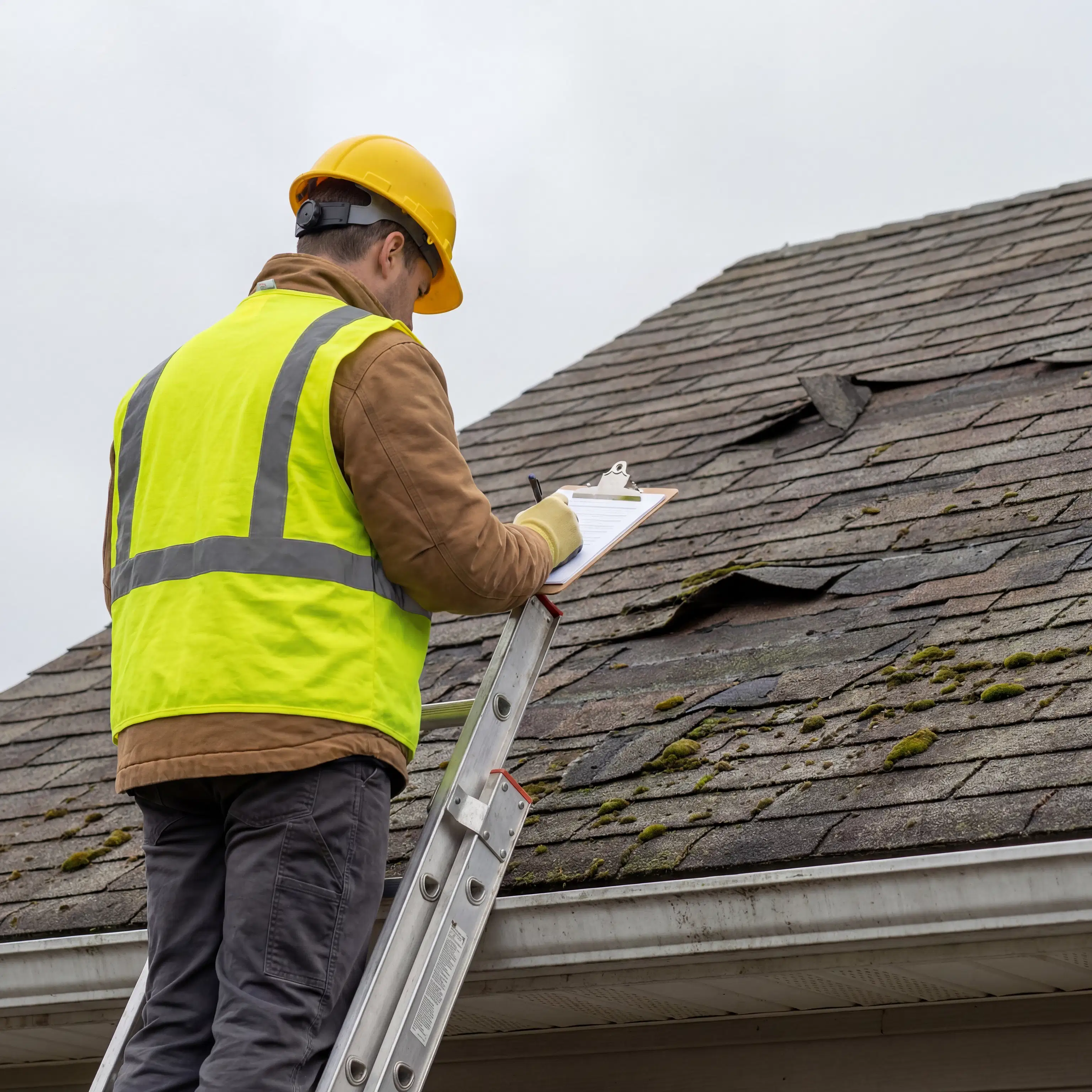
Your safety is the number one priority. We never recommend that homeowners get on their roofs to perform an inspection. Roofs can be slippery and dangerous, and a fall can have devastating consequences. However, there are a few things you can check safely from the ground.
- Use Binoculars: From a safe spot on your lawn, use a pair of binoculars to get a closer look at your roof. Scan for any of the signs mentioned above, like dark spots from granule loss or any visible cracking.
- Check Your Gutters: After a storm, take a look inside your gutters and at the base of your downspouts. A large accumulation of shingle granules is a strong indicator that your roof has sustained damage.
- Inspect Soft Metals: Hail will often dent softer materials before it damages shingles. Check your metal roof vents, flashing, and gutter guards for small dings and dents. If you see damage here, there's a good chance your shingles were impacted as well.
While these ground-level checks are helpful, they can't replace a professional assessment. A trained expert knows exactly where and how to look for subtle damage. A thorough roof inspection is the only way to truly understand the condition of your roof and get the documentation you need for a potential insurance claim.
Why You Shouldn't Ignore Minor Hail Damage
It can be tempting to adopt a "wait and see" approach if the damage seems minor. However, this can be a costly mistake. The integrity of your entire roofing system relies on every shingle doing its job. When even a few are compromised, it creates a weak point that will only get worse.
Unaddressed hail damage can lead to:
- Accelerated Aging: Exposed asphalt from granule loss breaks down quickly under UV radiation, drastically shortening the shingle's lifespan.
- Costly Water Leaks: Bruised shingles will eventually crack, allowing water to seep into your attic and home, potentially causing wood rot, insulation damage, and mold growth.
- Voided Warranties: Many manufacturer warranties require homeowners to perform regular maintenance and address storm damage promptly. Ignoring it could void your coverage.
- Insurance Claim Complications: Insurance companies have deadlines for filing claims after a storm. Waiting too long can make it difficult, if not impossible, to get the coverage you deserve for storm damage repair.
Protecting your home means being proactive. A small repair or a timely replacement of your shingle roofing today can save you from major headaches and expenses in the future.
Protect Your Investment with a Professional Inspection
After a hailstorm, peace of mind is priceless. You shouldn't have to wonder if your roof is secretly damaged. Understanding the subtle signs of hail impact—like granule loss and bruising—is crucial, but the safest and most reliable way to assess your roof's health is with a professional evaluation.
If you've experienced a recent storm in the Jeffersonville area and are concerned about potential hail damage, don't wait for a leak to appear. Contact the trusted team at Jeffersonville Roofs today. We offer comprehensive and honest roof inspections to give you a clear picture of your roof's condition. Let us help you protect your home.