
A Homeowner's Guide to Navigating Roof Storm Damage Insurance Claims
The Indiana storm season can be unpredictable, and seeing the aftermath of a severe hailstorm or high winds can be incredibly stressful for any homeowner. When you suspect your roof has been damaged, your first thought is likely about safety and repairs. Your second is often, "How am I going to handle the insurance claim?" The process can seem confusing and overwhelming, but it doesn't have to be. At Jeffersonville Roofs, we believe in providing more than just expert roofing services; we offer peace of mind. This guide will walk you through the storm damage insurance claim process step-by-step, empowering you to navigate it with confidence and get your home back to its best.
Step 1: Prioritize Safety and Get a Professional Inspection
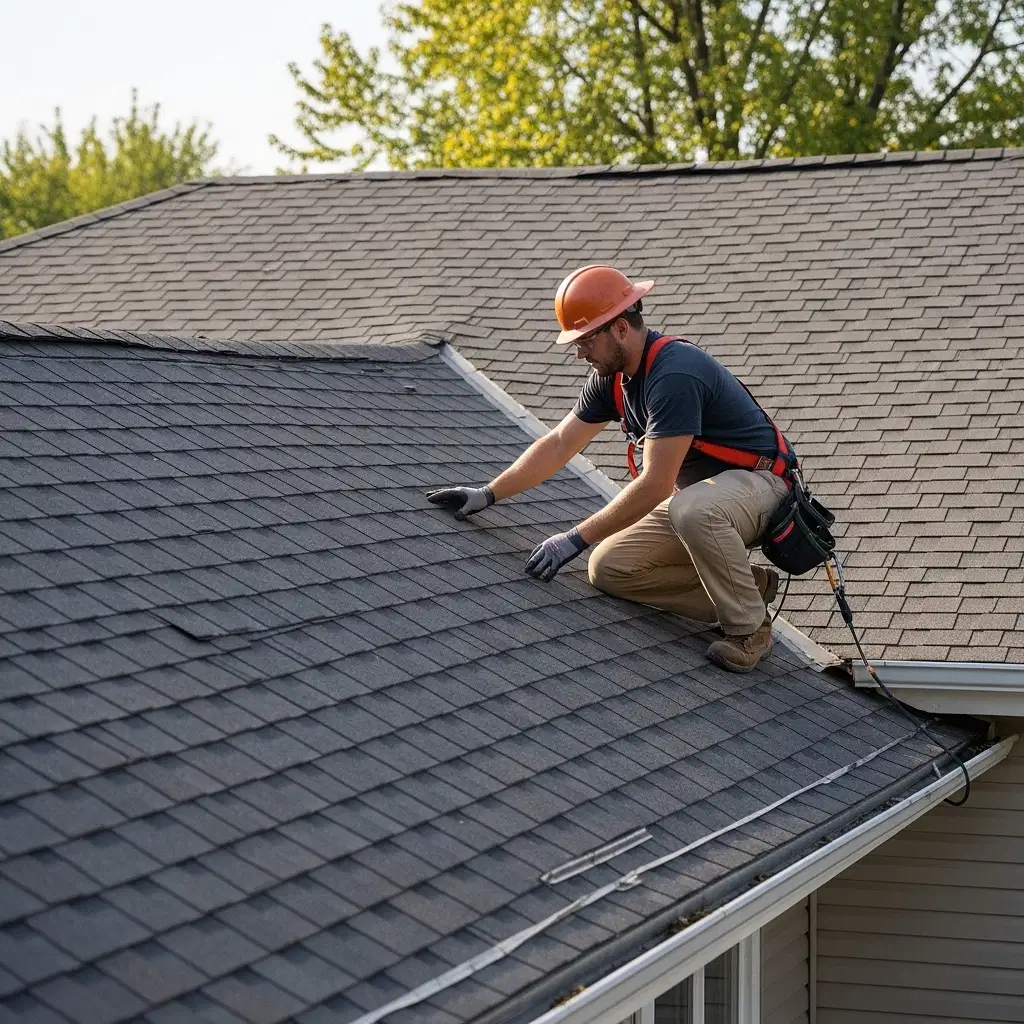
After a major storm passes, your immediate priority is to ensure your family is safe. Check for any immediate dangers like fallen power lines or structural damage. While it’s tempting to assess your roof yourself, we strongly advise against it. A storm-damaged roof can be unstable and dangerous to walk on.
Instead, your first call should be to a trusted, local roofing professional for a comprehensive roof inspection. A trained expert can safely identify all points of damage, from obvious issues like missing shingles to subtle problems like hail bruises that can compromise your roof's integrity over time. Using modern technology like drones, we can get a detailed look at your roof's condition without anyone having to take unnecessary risks. This professional assessment is a critical first step and provides the foundational evidence for your insurance claim.
Step 2: Document Everything and Contact Your Insurer
Thorough documentation is your best asset when filing a claim. Before any repairs begin, take photos and videos of the damage from the ground if you can do so safely. Capture images of any dents in your gutters, siding, or window screens, as this can help establish the severity of the storm.
Your professional inspection report will be the most crucial piece of documentation. It will provide a detailed, expert analysis of the damage, including photos and a written assessment of what needs to be repaired or replaced. Once you have this initial documentation, it's time to contact your insurance company to start the claims process. Have your policy number ready and provide them with the date of the storm and a general description of the damage you've observed. They will assign a claim number and an adjuster to your case.
Step 3: Meet the Adjuster and Understand the Scope of Work
The insurance adjuster's role is to assess the damage on behalf of the insurance company and determine the cost of repairs they will cover. It's highly beneficial to have your chosen roofing contractor present during the adjuster's visit. We can act as your advocate, pointing out damage the adjuster might overlook and ensuring the assessment is fair and complete. This collaboration helps prevent disagreements and ensures the scope of work accurately reflects the necessary storm damage repair.
After the inspection, the adjuster will provide you with a report detailing the scope of work and an estimate. Review this document carefully with your roofer. Does it cover all the damage found? Does it account for local building codes and quality materials? If there are discrepancies, your contractor can help you communicate with the insurance company to make necessary adjustments.
Step 4: Choose a Reputable Contractor and Complete the Repairs
After a storm, you may notice an influx of out-of-town roofing companies, often called "storm chasers." While their offers might seem tempting, it's crucial to work with a licensed, insured, and local company with a proven track record. A local roofer understands regional building codes, has established relationships with suppliers, and will be here to stand by their warranty long after the job is done.
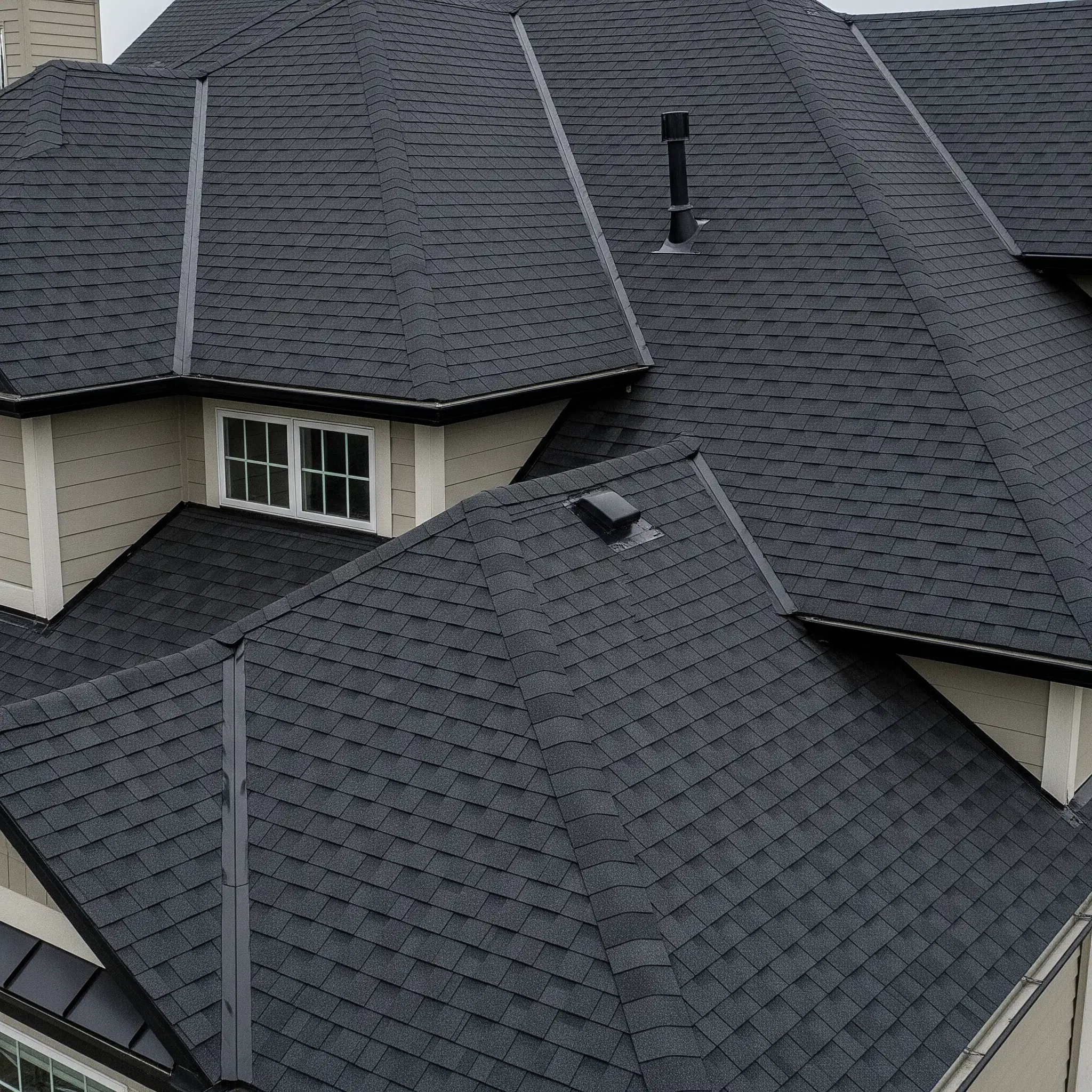
Once you've chosen your contractor and agreed on the scope of work based on the insurance settlement, the repair or replacement can begin. Whether you need a targeted roof repair for storm & wind damage or a full replacement with new shingle roofing, a quality contractor will ensure the work is done to the highest standards. They will handle the project efficiently, maintain a clean worksite, and communicate with you throughout the process, reflecting the true meaning of Hoosier hospitality.
Your Partner in Storm Recovery
Dealing with a damaged roof is stressful enough without the added confusion of an insurance claim. By following these steps—prioritizing safety, getting a professional inspection, documenting everything, and working with a trusted local partner—you can navigate the process smoothly and effectively.
At Jeffersonville Roofs, we have years of experience helping homeowners in the Jeffersonville area with their storm damage and insurance claims. If your home has been affected by a recent storm, don't wait. Contact us today for a free, no-obligation inspection. We're here to help you protect your home and restore your peace of mind.